
Most people who end up in a reputational crisis never planned for one. They don't have a PR person on retainer or a lawyer on speed dial, and they can't spend thousands of pounds the moment something goes wrong.
I hear from a lot of these people. Small business owners juggling wages and rent. Freelancers, creators, teachers, people who said something online that travelled further than they ever expected. Often it's late at night, they're frightened, and everyone around them has a different opinion about what to do.
If you can get proper support, please do. Having someone experienced deal with journalists and carry some of the weight makes a huge difference. But if that isn't possible right now, there's still a lot you can do yourself. These are the things I'd want you to know.
In the first hour, do less
Feeling shaken is normal. Acting on that feeling is what usually causes the harm. Before you do anything else:
Don't post anything yet. You can always say something later. You can't unsay it.
Don't delete anything. Screenshot it first. Someone may already have a copy, and a deleted post can become part of the story.
Choose one voice. If it's a business, pick one person to speak. If it's about you, ask friends not to jump in on your behalf, however kindly they mean it.
Look at where it's happening, not how loud it feels. A thread that looks damning may never leave that forum.
Stop refreshing. Check once or twice a day, or ask someone you trust to do it for you.
If a journalist gets in touch
You don't have to answer questions on the phone there and then. Take their name, the publication, what the story is about and their deadline, then tell them you'll come back to them.
Ask for their questions in writing. It gives you time to think, and a record of what was asked. Don't assume anything you say is off the record unless you've both agreed that clearly beforehand.
A reflexive "no comment" can read as though you have something to hide. Often a short, factual response is better, and sometimes the most useful thing is correcting an error before it's printed.
You might not need a statement
Not everything needs a public response. If only a small number of people have seen something, a statement can introduce it to far more.
If you do need to say something, keep it short and factual. Don't blame anyone, don't over-explain and don't apologise for how people feel rather than for what happened. Read it out loud before you post it. If it sounds like a lawyer or a press office wrote it, people will notice.
If you're being criticised online
Work out where the criticism started, who's driving it and whether it's spreading. Ten angry comments from the same handful of accounts is very different from a story being picked up by journalists.
Don't argue in the comments, even when people are wrong. Report threats, harassment and content that shares your private information, and keep screenshots of everything.
If you made a mistake, a sincere acknowledgement can take the heat out of it. If you didn't, a calm correction of the facts usually does more than a defence of your character.
If it's a bad review
Reply once, calmly, and offer to take the conversation somewhere private. Remember you're writing for every future customer who reads it, not only the person who left it.
If you think a review is fake, report it to the platform with whatever evidence you have, such as no record of that customer or a pattern of similar reviews posted at the same time.
When it's on Google
What comes up when someone searches your name can feel permanent, but it isn't fixed. If an article is wrong, ask the publication to correct it. If it's out of date, for example a case that was later dropped, ask them to add the outcome.
You can also ask Google to remove some results from searches of your name, particularly information that's inaccurate or no longer relevant. Over time, accurate and up-to-date information about you also changes what AI tools say when someone asks about you.
Look after yourself
This is the part people skip. A reputational crisis can affect sleep, work and relationships, and it can feel very lonely. Talk to someone you trust. If it's seriously affecting your mental health, please speak to your GP.
Most situations feel worse in the first few days than they turn out to be. Very few stories are remembered for as long as the person at the centre of them fears.
When you shouldn't handle it alone
Some situations need professional help, even if money is tight. If the police, a court or a regulator is involved, if someone's safety is at risk, or if you've received a legal letter, speak to a solicitor before you say anything publicly.
It's also worth getting help if a national journalist is preparing a story, or if more than one outlet has picked it up. If full crisis support isn't possible, a one-hour advisory session can give you a clear plan to carry out yourself.
A handbook for when you're on your own
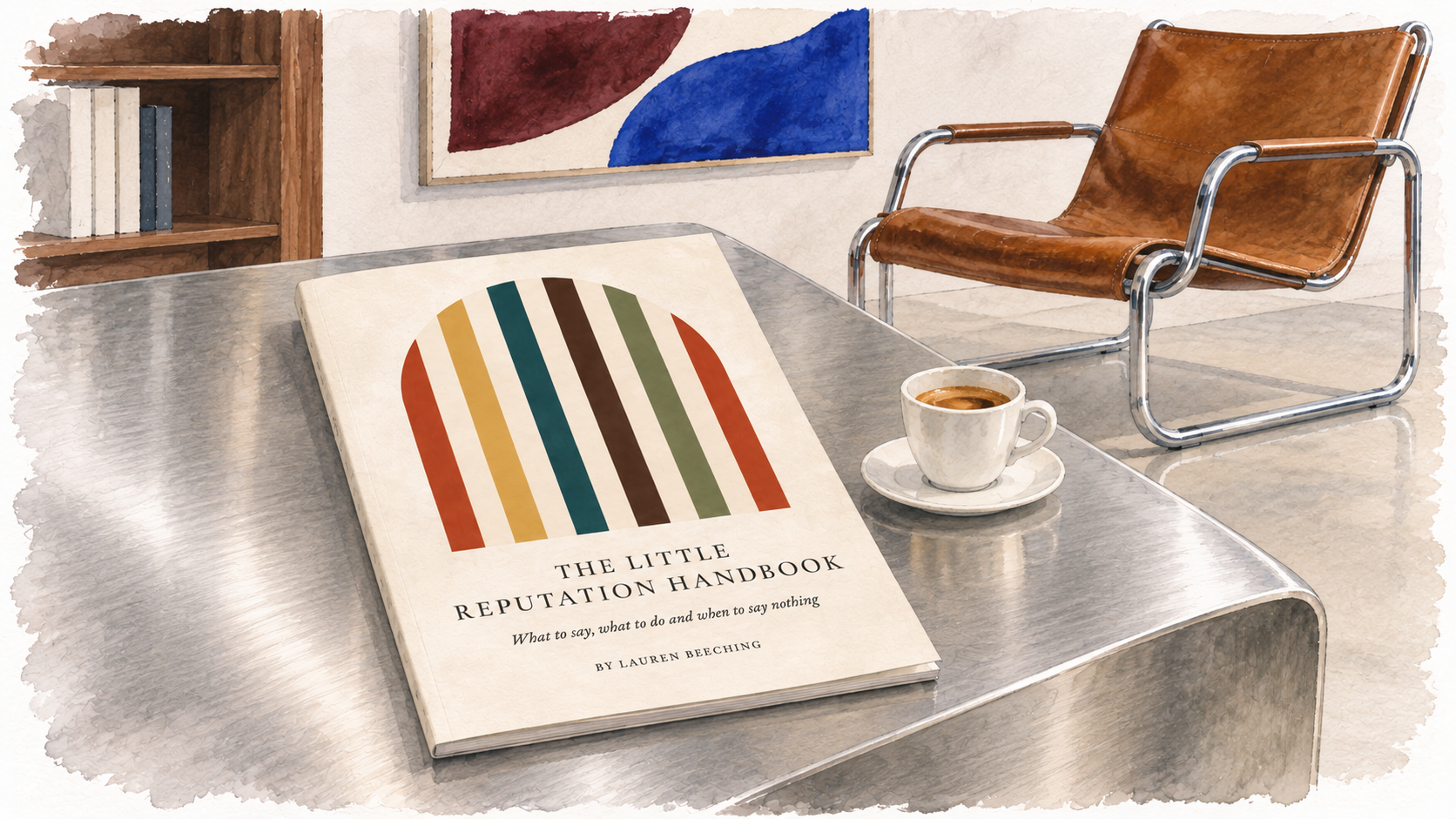
I wrote The Little Reputation Handbook for exactly this situation. It's what I'd tell you if we were sitting down together: what to do first, what to leave alone and what to say when you can't find the words.
It starts with a page that sends you straight to your situation, whether that's a journalist with a deadline, a story that's been published, criticism online, a bad or fake review, or Google saying the wrong thing. It comes with templates you can edit in Word, from replies to journalists to holding statements and correction requests.
It isn't a replacement for a good PR person or legal advice. But I hope it gives you somewhere to start, and helps you feel a little calmer and a little less alone.