
 Image 1 of 2
 Image 2 of 2
Being discussed on anonymous forums can feel invasive, frightening, and deeply unfair, especially when what’s being said is inaccurate, exaggerated, or completely disconnected from reality.
I’ve worked with many clients who’ve found themselves in this position, people who were anxious, scared to open their phones, struggling to sleep, and unsure whether responding, staying silent, or trying to remove content would make things better or far worse. In some cases, the mental toll has been as damaging as the posts themselves.
People in your life often say, “Just don’t read it,” but that advice ignores the reality of what’s happening. When people are discussing you, speculating about your life, or sharing personal details, it’s incredibly hard to turn a blind eye. Many people keep checking not out of curiosity, but out of fear, worried about doxxing, private information being shared, or rumours escalating without them knowing.
That urge isn’t weakness or obsession. It’s a protective response. Your brain is trying to monitor a perceived threat, even when doing so causes distress.
Most people don’t realise how quickly situations like this can escalate, or how easy it is to unintentionally fuel further speculation. Well meaning explanations, public rebuttals, or emotional responses often become new material for anonymous threads to pick apart.
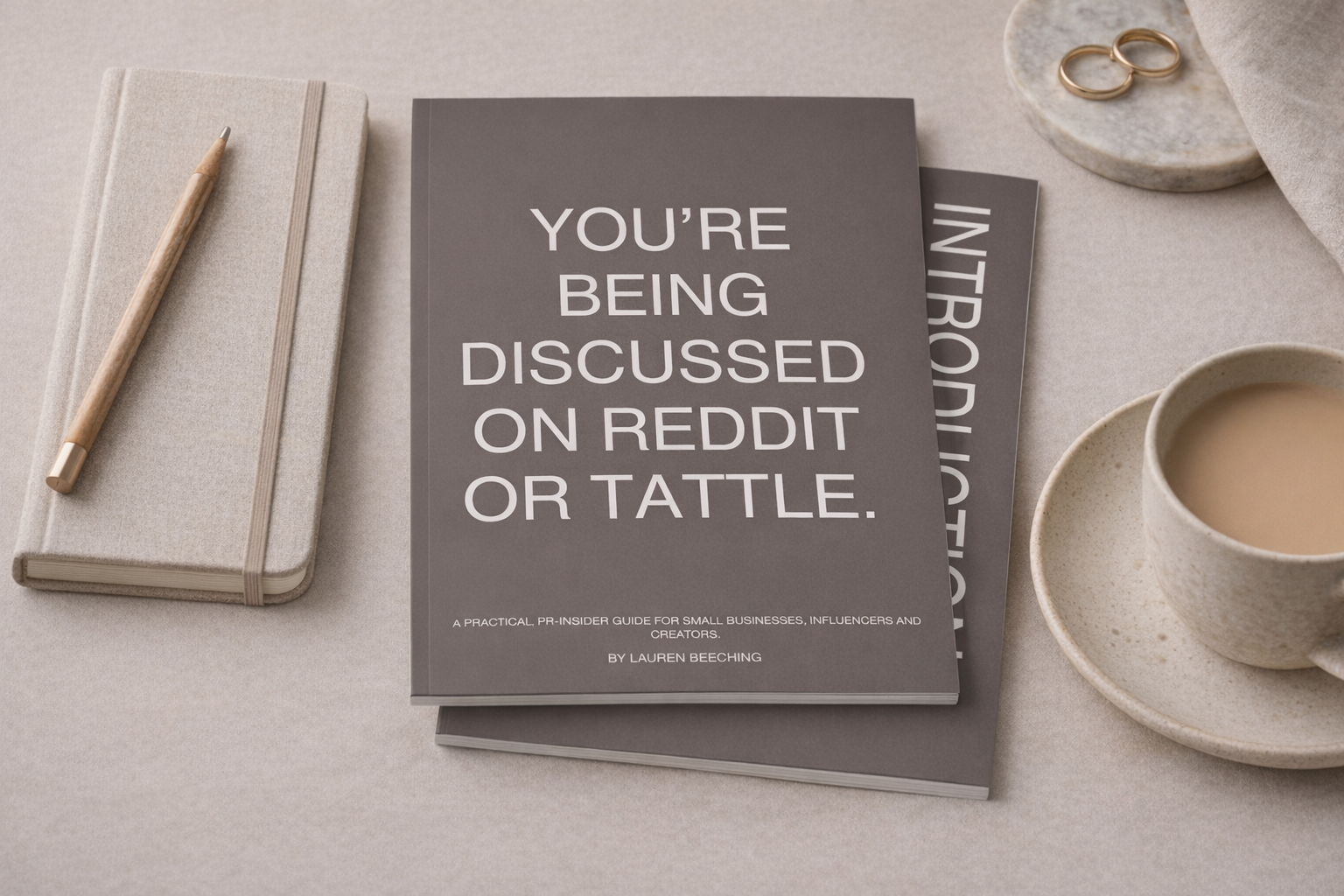
This guide is written for people who don’t know what to do next. While platforms like Reddit and Tattle Life are common examples, the guidance applies to any anonymous forum, gossip site, or online space where individuals become the focus of fixation, rumour, or sustained criticism.
Inside, it explains what actually matters and what doesn’t, how these forums tend to operate, how Google indexing can quietly affect your name and reputation, what counts as harassment or doxxing, when behaviour crosses a line, and how to protect yourself without escalating the situation.
It also covers when silence is strategic, when action is necessary, and how to think clearly about monitoring, reporting, and takedown options, without promising unrealistic shortcuts or “secrets” that don’t exist.
This is not a legal threat template or a fight back playbook. It won’t magically remove your name from the internet. What it will do is help you understand your options, avoid common mistakes, and make calmer, more informed decisions during an extremely stressful time.
Being discussed on anonymous forums can feel invasive, frightening, and deeply unfair, especially when what’s being said is inaccurate, exaggerated, or completely disconnected from reality.
I’ve worked with many clients who’ve found themselves in this position, people who were anxious, scared to open their phones, struggling to sleep, and unsure whether responding, staying silent, or trying to remove content would make things better or far worse. In some cases, the mental toll has been as damaging as the posts themselves.
People in your life often say, “Just don’t read it,” but that advice ignores the reality of what’s happening. When people are discussing you, speculating about your life, or sharing personal details, it’s incredibly hard to turn a blind eye. Many people keep checking not out of curiosity, but out of fear, worried about doxxing, private information being shared, or rumours escalating without them knowing.
That urge isn’t weakness or obsession. It’s a protective response. Your brain is trying to monitor a perceived threat, even when doing so causes distress.
Most people don’t realise how quickly situations like this can escalate, or how easy it is to unintentionally fuel further speculation. Well meaning explanations, public rebuttals, or emotional responses often become new material for anonymous threads to pick apart.
This guide is written for people who don’t know what to do next. While platforms like Reddit and Tattle Life are common examples, the guidance applies to any anonymous forum, gossip site, or online space where individuals become the focus of fixation, rumour, or sustained criticism.
Inside, it explains what actually matters and what doesn’t, how these forums tend to operate, how Google indexing can quietly affect your name and reputation, what counts as harassment or doxxing, when behaviour crosses a line, and how to protect yourself without escalating the situation.
It also covers when silence is strategic, when action is necessary, and how to think clearly about monitoring, reporting, and takedown options, without promising unrealistic shortcuts or “secrets” that don’t exist.
This is not a legal threat template or a fight back playbook. It won’t magically remove your name from the internet. What it will do is help you understand your options, avoid common mistakes, and make calmer, more informed decisions during an extremely stressful time.