
 Image 1 of 2
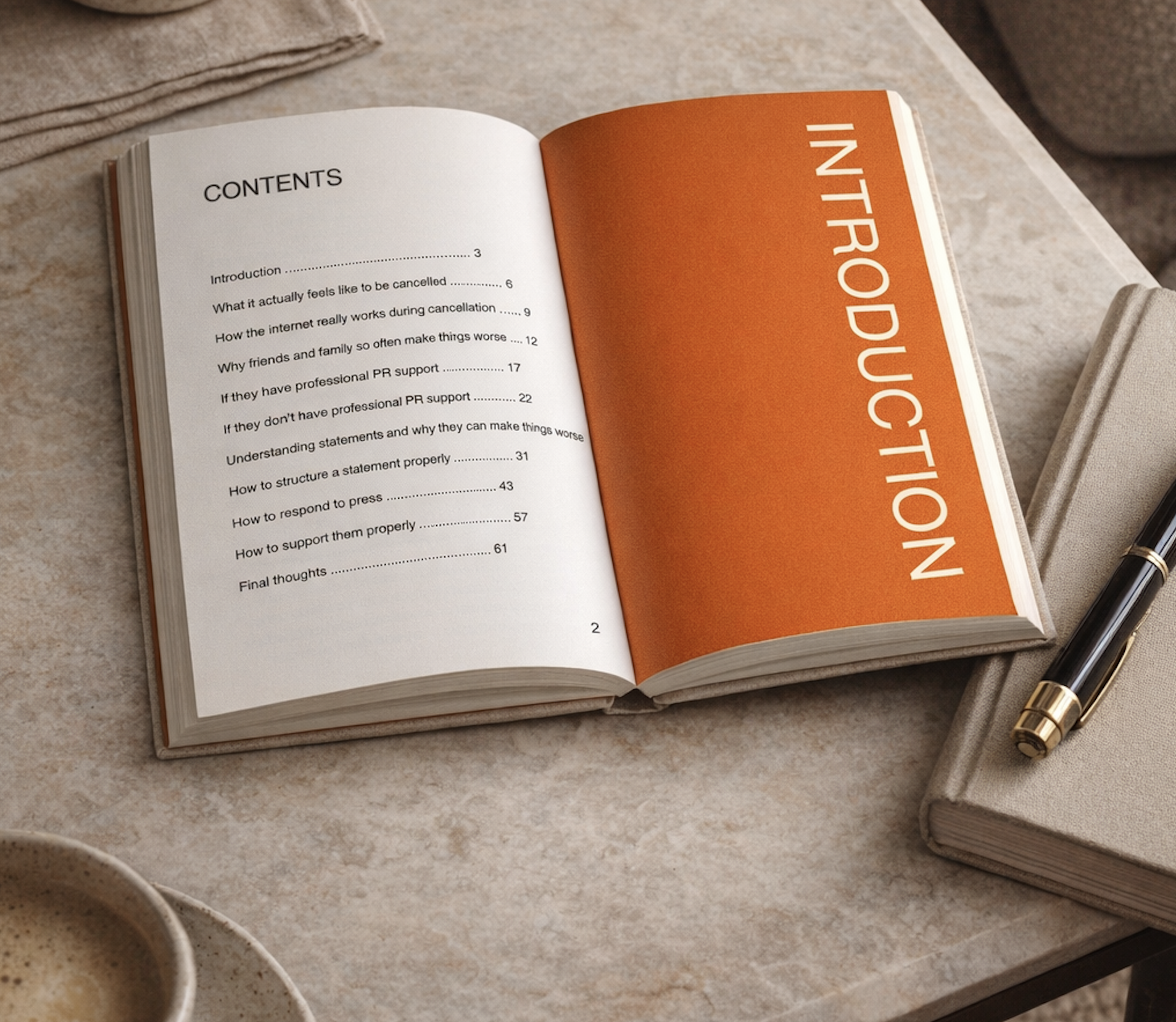 Image 2 of 2
When someone you care about is being cancelled, the instinct is to step in and defend them. To correct the record. To speak up publicly. To do something, anything, to make it stop.
In practice, that instinct often causes more damage.
I’ve worked in crisis PR long enough to see how frequently situations unravel not because of the original issue, but because of what happens next. Well-meaning friends and family push for statements, pressure someone to respond too quickly, or encourage public defences that feel emotionally satisfying but strategically reckless. I’ve seen careers harmed not by allegations themselves, but by the chaos created around them.
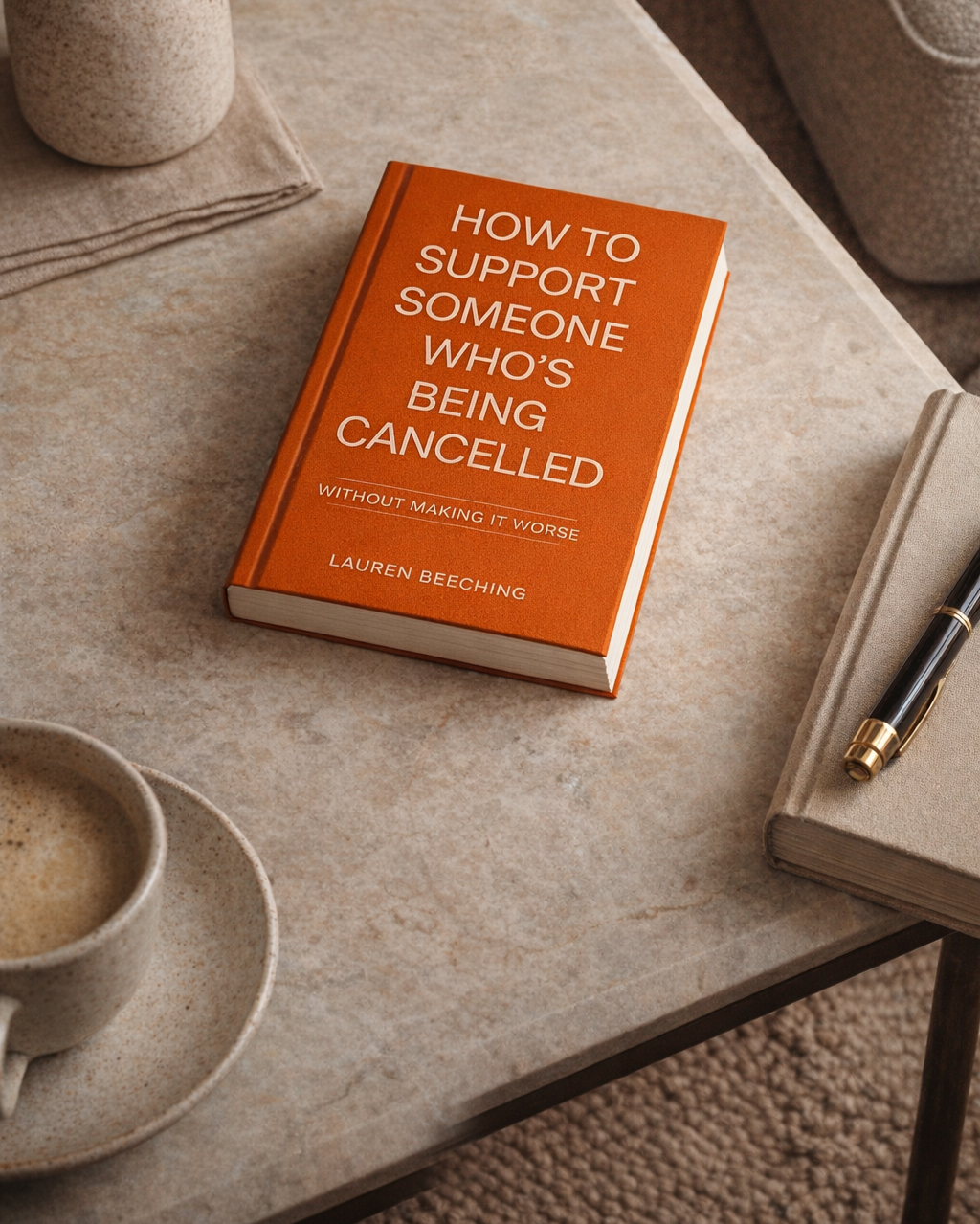
This guide is written for the people closest to someone facing cancellation, friends, partners, family members, and supporters who want to help without making things worse.
It explains what being cancelled actually feels like from the inside, including the humiliation, fear, and sense that your life is being pulled apart in public. It breaks down how the internet behaves during these moments, how algorithms distort reality, and why the loudest voices rarely reflect wider public opinion. It also explains why trying to appease one corner of the internet often inflames another, and why timing and restraint matter more than volume.
There are clear sections on professional PR support, what it means when someone has hired crisis help, how that work actually functions behind the scenes, and why outside interference, even with good intentions, can derail it completely.
For situations where professional PR isn’t in place, the guide walks through what can realistically be done. It explains how to assess what’s actually happening online, how to look beyond your own algorithm, how to think about statements properly, and how to avoid common mistakes that escalate situations instead of containing them.
There is also a detailed section on handling press, including when not responding is the smartest option, how to assess journalists and publications, and why friendly emails offering to “hear your side” should always be approached with caution.
Above all, this guide is about protecting the person at the centre of the storm. Supporting them emotionally. Reducing pressure. Avoiding panic decisions. And understanding when stepping back is the most helpful thing you can do.
If you’re trying to support someone through cancellation without adding risk, confusion, or noise, this guide will give you clarity on how to do that properly.
When someone you care about is being cancelled, the instinct is to step in and defend them. To correct the record. To speak up publicly. To do something, anything, to make it stop.
In practice, that instinct often causes more damage.
I’ve worked in crisis PR long enough to see how frequently situations unravel not because of the original issue, but because of what happens next. Well-meaning friends and family push for statements, pressure someone to respond too quickly, or encourage public defences that feel emotionally satisfying but strategically reckless. I’ve seen careers harmed not by allegations themselves, but by the chaos created around them.
This guide is written for the people closest to someone facing cancellation, friends, partners, family members, and supporters who want to help without making things worse.
It explains what being cancelled actually feels like from the inside, including the humiliation, fear, and sense that your life is being pulled apart in public. It breaks down how the internet behaves during these moments, how algorithms distort reality, and why the loudest voices rarely reflect wider public opinion. It also explains why trying to appease one corner of the internet often inflames another, and why timing and restraint matter more than volume.
There are clear sections on professional PR support, what it means when someone has hired crisis help, how that work actually functions behind the scenes, and why outside interference, even with good intentions, can derail it completely.
For situations where professional PR isn’t in place, the guide walks through what can realistically be done. It explains how to assess what’s actually happening online, how to look beyond your own algorithm, how to think about statements properly, and how to avoid common mistakes that escalate situations instead of containing them.
There is also a detailed section on handling press, including when not responding is the smartest option, how to assess journalists and publications, and why friendly emails offering to “hear your side” should always be approached with caution.
Above all, this guide is about protecting the person at the centre of the storm. Supporting them emotionally. Reducing pressure. Avoiding panic decisions. And understanding when stepping back is the most helpful thing you can do.
If you’re trying to support someone through cancellation without adding risk, confusion, or noise, this guide will give you clarity on how to do that properly.